What Procurement Teams Should Look for in Medevac Aircraft Solutions
529 Views
Acquiring medical evacuation aircraft is more than a simple purchase. Procurement decisions impact patient survival, costs, and crew safety long-term. The ideal aircraft solution balances performance, medical needs, and budget. Wise decisions stem from knowing the difference between adequate and exceptional crisis-serving systems.
Evaluating Total Cost of Ownership
The sticker price isn’t the whole story. Smart procurement teams analyze long-term costs. Fuel consumption varies wildly between aircraft models. Some engines drink gas like sports cars, while others sip it carefully. Maintenance schedules matter too. An aircraft needing major service every two hundred flight hours costs more than one requiring service every 500 hours.
Parts availability drives hidden costs. Common aircraft models have parts warehouses nationwide. Rare models might need components shipped from overseas, grounding the aircraft for weeks. Training expenses add up fast. Pilots and mechanics need type-specific certifications. Medical crews require orientation on new equipment layouts. Include insurance, hangar space, and resale value. That cheap plane could end up being the fleet’s costliest error.
Medical Configuration Flexibility
Patient needs change. Today’s cardiac call becomes tomorrow’s multi-victim trauma. The aircraft purchased now must handle whatever emergencies arise over their twenty-year service life. Fixed configurations lock teams into single mission types. Modular systems adapt as needs evolve.
Read More:Tennessee Men’s Clinic Discusses Health Tips for Men Over 30
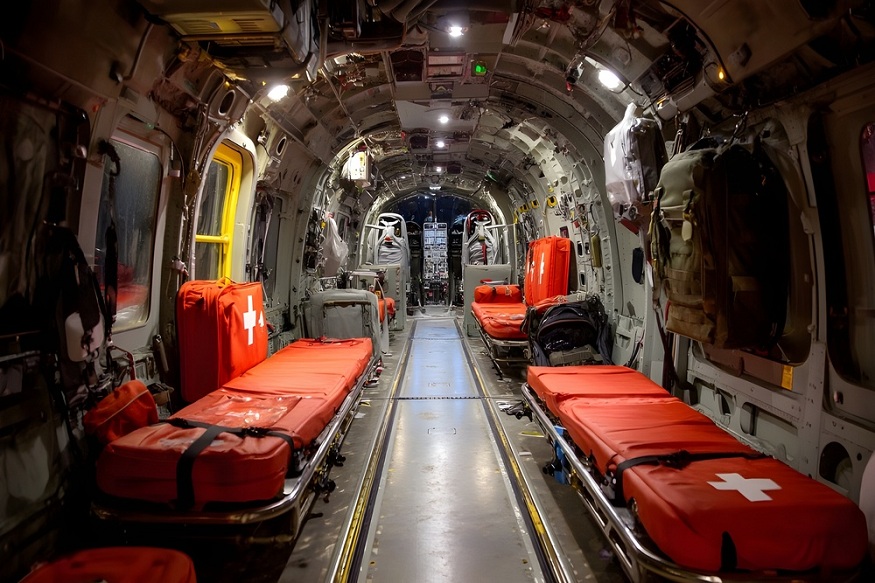
Look for cabins that reconfigure without major modifications. Stretcher systems should accommodate different patient sizes and medical conditions. Power systems need extra capacity for future equipment upgrades. Storage must expand and contract based on mission requirements. The most successful programs buy platforms that grow with their communities’ needs rather than forcing communities to work around aircraft limitations.
Safety Standards and Certifications
Certifications separate professional equipment from amateur modifications. FAA supplemental type certificates prove aircraft modifications meet aviation standards. Medical equipment needs FDA clearances for patient use. International programs require additional approvals.
Crash testing data shows how equipment performs during accidents. Real-world impact tests beat computer simulations. Check whether mounting systems protect both patients and crews during hard landings. Electrical systems should have multiple safety shutoffs. Proper ventilation prevents fire hazards in oxygen systems. Don’t sacrifice safety for savings. Proper equipment is cheaper than accident lawsuits.
Vendor Support and Training Programs
Medevac equipment needs expertise in installation, operation, and maintenance. Companies like LifePort have earned strong reputations by offering thorough training with their mounting systems and medical interiors. The best vendors offer ongoing education as technology evolves, keeping flight programs current without constant equipment replacement.
Vendors should provide 24/7 technical support because emergencies don’t follow business hours. Local service networks reduce downtime when problems arise. Warranty coverage varies dramatically between manufacturers. Some cover everything for years while others exclude critical components. Training should cover initial certification and refreshers. Choose vendors offering on-site training as it is cost-effective and enables full team involvement.
Integration with Existing Operations
New aircraft must mesh with current operations. Incompatible equipment creates dangerous gaps in service. Dispatch systems should communicate seamlessly. Medical devices need standardization across the fleet. Supply chains work best with common consumables. Ground support equipment might need upgrades. Fuel trucks, ground power units, and maintenance platforms must match new aircraft requirements. Helipads and runways have weight limits that affect aircraft selection. Hangar doors restrict aircraft dimensions. These infrastructure factors limit options before shopping begins.
Read More:Safe and Powerful Choices for Penile Lengthening Without Surgery
Conclusion
Procuring medevac aircraft effectively involves managing conflicting needs. Price is a factor, yet the lowest cost usually doesn’t offer the best value. Safety standards offer protection for all parties. Good vendor relations support the aircraft long-term. Procurement teams who research thoroughly and plan carefully build programs that serve communities reliably for decades. The aircraft selected today shapes emergency medical services tomorrow, making these decisions among the most important in public safety.